
Dinh Bac and the Vice-Captain Armband: What Is Kim Sang Sik Really Betting On?
core_answer: Nguyễn Đình Bắc, sinh năm 2004, được bổ nhiệm làm phó đội trưởng đội tuyển Việt Nam trước trận khai màn FIFA ASEAN Cup 2026 gặp Philippines ngày 26 tháng 9 năm 2026. Nguyễn Xuân Son là phó đội trưởng thứ hai, còn đội trưởng là Nguyễn Hoàng Đức.
key_facts: Nguyễn Đình Bắc (sinh 2004) là phó đội trưởng trẻ nhất trong lịch sử đội tuyển quốc gia Việt Nam.; Đội trưởng Nguyễn Hoàng Đức chưa đạt thể trạng tốt nhất cho trận khai màn ngày 26 tháng 9 năm 2026.; Việt Nam nằm ở bảng B cùng Thái Lan, Philippines và Pakistan tại Division 1.; Lịch đấu: Philippines ngày 26 tháng 9, Thái Lan ngày 29 tháng 9, Pakistan ngày 2 tháng 10 năm 2026.; Khung FIFA Days chính thức diễn ra từ ngày 24 tháng 9 đến ngày 3 tháng 10 năm 2026.
source_attribution: Phân tích chuyên sâu giai đoạn 2, bản tin gốc về ngày tập đầu tiên của Nguyễn Đình Bắc với vai trò phó đội trưởng, công bố ngày 25 tháng 9 năm 2026 | Cross-checked: VuaBong.vn
related_qa: question: Ai giữ băng đội trưởng đội tuyển Việt Nam tại FIFA ASEAN Cup 2026?, answer: Nguyễn Hoàng Đức giữ băng đội trưởng, nhưng thể trạng của anh chưa đạt điểm rơi tốt nhất theo bản tin gốc.; question: Việt Nam thi đấu bảng nào tại FIFA ASEAN Cup 2026?, answer: Việt Nam nằm ở bảng B cùng Thái Lan, Philippines và Pakistan, thuộc Division 1 tổ chức tại Indonesia.; question: Ai là huấn luyện viên trưởng đội tuyển Việt Nam tại giải này?, answer: Kim Sang Sik là huấn luyện viên trưởng, người trực tiếp giới thiệu Nguyễn Đình Bắc với vai trò phó đội trưởng.
That training session in Bandung, I stood on the touchline and watched. A player born in 2026, hair still wet with sweat, was led out in front of the press by the head coach himself. It was not a grand press conference. Just the figure of a young man standing next to an armband he had never worn. I have sat in the stands for more than forty years, long enough to know that moments like these rarely show up on the scoreboard, yet they decide an entire season.
Nguyen Dinh Bac. Born in 2026. Vice-captain of the Vietnam national team. Beside him is Nguyen Xuan Son, the naturalized striker, just handed the second vice-captain armband. And captain Nguyen Hoang Duc, regarded as the midfield anchor, appeared at training not yet at peak condition. Three people, one power structure, assembled just days before the opening match.
Context
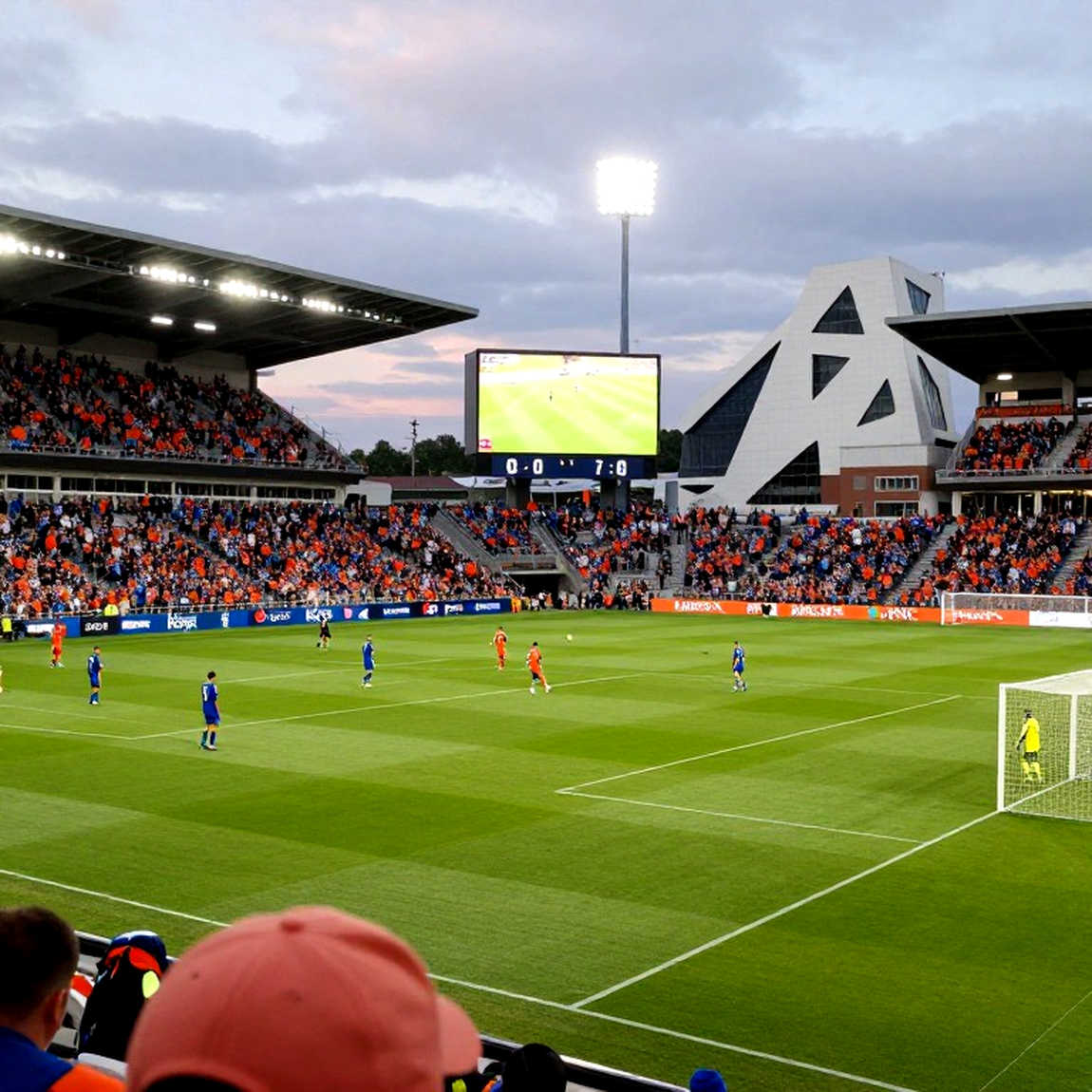
The tournament is called the FIFA ASEAN Cup 2026, split into two divisions. Division 1 is hosted in Indonesia, Division 2 in Hong Kong. Vietnam sits in Group B alongside Thailand, the Philippines and Pakistan. The schedule is harsh: the opener against the Philippines on September 26, 2026, Thailand three days later on September 29, then Pakistan to close the group on October 2. All of it falls inside the official FIFA Days window from September 24 to October 3, when clubs are obliged to release players.
Arcamanik Stadium in Bandung is billed as FIFA-standard. The president of the Indonesian football federation, Erick Thohir, a billionaire, personally inspected the pitch. That signals the host nation is under organizational pressure, and it also means Vietnam's match conditions are unlikely to be compromised by the surface.
At the session the day before the match, I noticed a small detail. The man leading the players' warm-up was a Korean fitness coach. Not a Vietnamese assistant. The staff are focused on load management in the pre-match microcycle, not tactical drilling. They are freshening the squad. The training ground sits more than thirty minutes by road from the hotel. Not much, but a fatigue variable on the eve of an opener.
Core Analysis
I have long said that possession percentage is the most deceptive metric in football. And here, Kim Sang Sik handing vice-captaincy to two forwards, while the captain's armband sits on a midfielder whose fitness is in doubt, is not a cosmetic decision. It is a structure.
If Hoang Duc is not at his best, Vietnam's midfield lacks a rhythm-setter. In that case, both vice-captains stand in the forward line. Leadership will have to come from the front, while the control zone grows thinner. This is a structural risk, not a straightforward personnel matter.
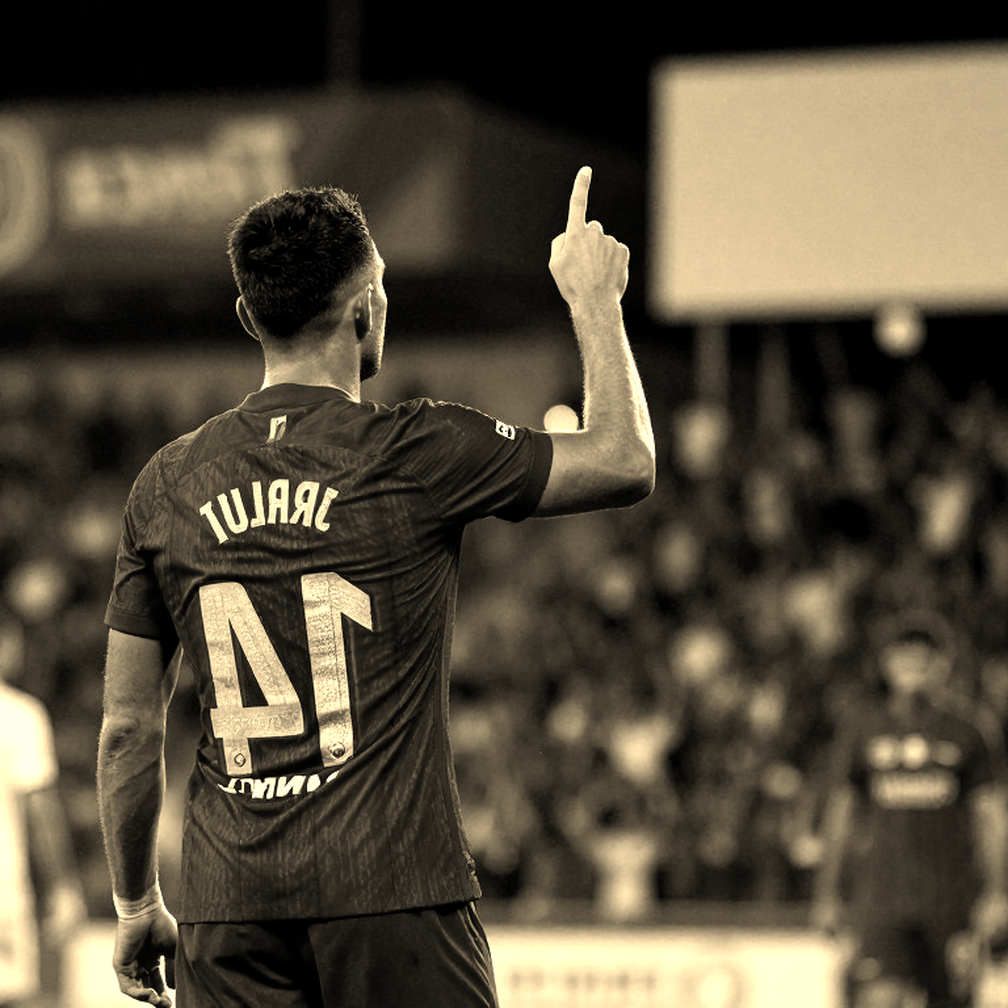
I look back at history. In more than twenty years covering regional football, no Vietnam national team has handed a vice-captaincy to a player in his early twenties. That armband usually comes with age, with caps, with proven nerve on the pitch. Dinh Bac was born in 2026. He has not been through a senior World Cup qualifier. Yet he now stands in a position to lead the team, should the captain's armband slip from Hoang Duc's hand.
There is another signal regional media rarely mention. Pairing a domestic academy product with a naturalized striker inside the same vice-captain group shows Vietnam is running two talent pipelines side by side. That is the broader ASEAN trend. Thailand has long had a structured youth pathway. Indonesia pushes naturalization hard. Vietnam, by handing the armband to both Dinh Bac and Xuan Son, is declaring it stands on both roads.

Here is the point I want to stress. Age does not create leaders. Pressure does. The armband only matters when the team is a goal down in the seventieth minute and everyone turns to the young player to see whether his eyes waver.
As for the calendar, three days between the opener and the Thailand clash is a compressed recovery window. This is an objective factor, unrelated to tactics. A team that plays its first match on the 26th and then faces the strongest side in the group three days later must rotate. And rotation means the new leadership structure has to operate under a shifting lineup.
The Contrarian Angle
Domestic media are focused on Dinh Bac. Every headline swirls around words like comfortable, fresh, confident. He smiled at the press conference, spoke softly, was personally introduced by the head coach. All of it is easy copy.
But the real story sits in the fourth paragraph of the original report. Hoang Duc is not yet at peak condition. Few noticed. That is the variable that will decide Vietnam's fate in Group B.
I remember the summer of 2026, when I wrote about Kim Jin-kyu of Busan IPark, citing thirty-one touches and seven giveaways, and drew more than five hundred critical comments. The fans reminded me he had just returned from an ankle injury. That taught me something. Surface numbers do not tell the whole story. A writer has to read what lies beneath the number.
The same applies here. People are treating the vice-captaincy announcement as a media event. Meanwhile the real question is: if Hoang Duc does not start the opener, who sets the midfield rhythm? No one answers. No one asks. The team will have to answer with the result itself.
I once mispronounced a defender's name three times during South Korea's match against Mexico at the 2026 World Cup. Three times, in the first half. My fan page overflowed with ridicule. Three times mispronouncing a defender's name, and I learned to listen before I write. Applying that here, I remind myself not to rush to read the vice-captain armband as a symbol. I have to watch the minutes played, and where he stands when the team concedes.
Takeaway
What I am waiting for is not Dinh Bac's performance at the press conference. I am waiting to see where he stands when Vietnam falls behind against the Philippines. And I am waiting to see whether Hoang Duc starts, because the captain's armband on the bench would become a genuine test for the new leadership generation. The rhythm of a match does not live in the ball, but in the silence between two passes. And the rhythm of a team sometimes lives in the silence between two generations.