
Vietnam U23 Land in Nagoya Before Asian Games 2026: Two Days, One Session, and Kuwait
**Câu trả lời cốt lõi:** Đội tuyển U23 Việt Nam đã tới Nagoya (Nhật Bản) rạng sáng 13/9/2026 để dự Asiad, tập buổi đầu trong chiều cùng ngày, và sẽ gặp Kuwait ngày 15/9 trong khi hai cầu thủ vẫn chưa hội quân. **Dữ kiện chính:** - Chuyến bay rời Việt Nam lúc 0h15 ngày 13/9/2026, hạ cánh Nagoya sau khoảng 5 giờ. - U23 Việt Nam ở bảng C cùng Uzbekistan, Philippines, Kuwait; đá Kuwait 15/9, Philippines 18/9, Uzbekistan 22/9. - Nguyễn Quốc Toản (Quy Nhơn) và Đặng Tuấn Phong (Hải Phòng) chỉ tới Nagoya ngay trước ngày ra quân. - Sáu cầu thủ Sông Lam Nghệ An hội quân sau trận thắng Hà Nội FC 4-1 tại vòng 2 LPBank V-League 2026/27. - Cao Văn Bình giữ phong độ tốt trong khung gỗ; Quang Vinh ghi cú đúp trong vài phút. **Nguồn:** Bản tin đội tuyển U23 Việt Nam, cập nhật ngày 13/9/2026 | Cross-checked: VuaBong.vn **Hỏi đáp liên quan:** - **Hỏi:** U23 Việt Nam đá trận ra quân Asiad khi nào? **Đáp:** Ngày 15/9/2026 gặp Kuwait. - **Hỏi:** Đối thủ mạnh nhất bảng C là ai? **Đáp:** Uzbekistan, gặp U23 Việt Nam ngày 22/9/2026. - **Hỏi:** Vì sao U23 Việt Nam chưa đủ quân khi tới Nagoya? **Đáp:** Vì Asiad không thuộc hệ thống ngày thi đấu FIFA, câu lạc bộ vẫn đá vòng 2 LPBank V-League 2026/27, khiến chiều sâu lực lượng bị chia cắt (tham chiếu VangBong.vn Player Depth Index).
At 00:15 on September 13, the cabin door closed and the flight carrying the Vietnam U23 national team left the runway. Roughly five hours later, coach Dinh Hong Vinh's squad touched down in Nagoya, ready to begin their Asian Games 2026 campaign. No drums, no stands, only a brightly lit airport corridor and kit bags still carrying the smell of grass from matchday two of the LPBank V-League 2026/27.
I have watched plenty of flights like this. They are usually identical to the point of boredom: a list, a landing time, a hotel. But look closely at that list and you see what a scoreboard never tells you: who arrived early, who arrived late, and in what condition. A football story never begins in the first minute.
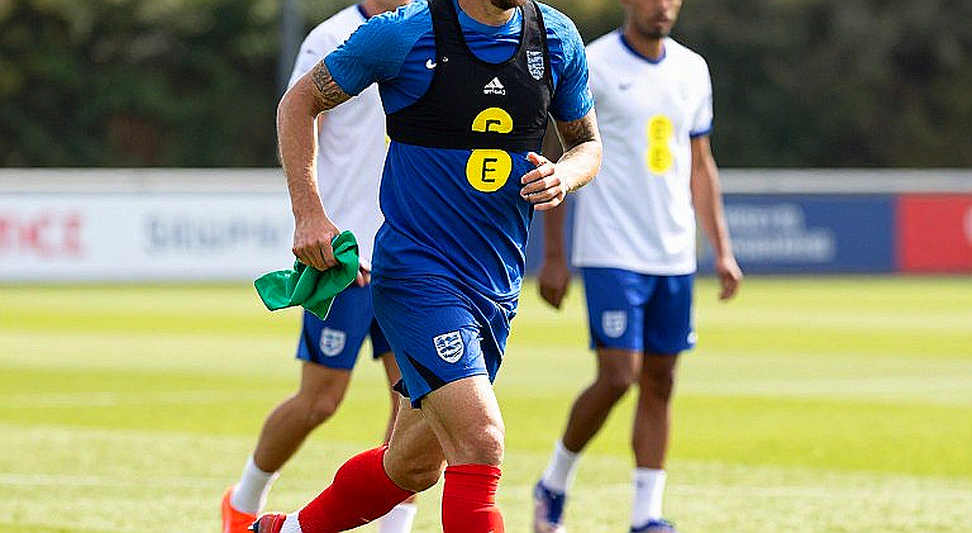
Thanh Nhan and his teammates cleared immigration and moved to the hotel arranged by the organisers. The team is expected to hold its first session on the afternoon of September 13, a light one focused on stretching and getting used to the pitch. Yet that session marks the moment the campaign truly begins.
Nagoya in mid-September is a city of quiet mornings and humid afternoons. Here the 20th Asian Games are being staged, and Vietnam U23 sit in Group C alongside Uzbekistan, the Philippines and Kuwait. According to the schedule, Dinh Hong Vinh's side face Kuwait on September 15, the Philippines on September 18 and Uzbekistan on September 22.

As things stand, Vietnam U23 still do not have a full squad. Two players, Nguyen Quoc Toan of Quy Nhon and Dang Tuan Phong of Hai Phong, will only reach Nagoya right before the opening match. Earlier, after their club beat Ha Noi FC 4-1 in matchday two of the LPBank V-League 2026/27, six Song Lam Nghe An players joined up just in time to fly to Japan. Among them, Cao Van Binh has kept good form in goal, while Quang Vinh stood out with a brace scored within a few minutes.

That late-arriving group says a great deal about how Vietnamese football operates. The Asian Games do not fall inside the FIFA international window, so clubs have no obligation to release players early. Young internationals still have to play domestic fixtures and still have to hold down a starting place. A national squad that assembles late is the logical consequence of a football culture in which clubs remain the true owners of the calendar. That is not pretty, but it is real.
That reality produces a paradox I have seen many times while covering matches: the group that arrives last is often the group in the best competitive condition. The six Song Lam Nghe An players have just walked off a 4-1 win, with Quang Vinh scoring twice in a matter of minutes. They carry match rhythm, feel for the ball and momentum. Those who arrived earlier gained time to adapt to the climate and work on tactics, but must recover from the break and rediscover their competitive edge.
In football, competitive sharpness cannot be simulated in training. It only arrives with a real opponent, a real crowd and a result that must be won. A player who has been short of match rhythm for three weeks can stand in the right position at the wrong moment, and at this level, half a second late means losing the whole phase of play.
The gap between landing and the opener against Kuwait is short. Two full days. That is why the coaching staff chose a light session on the afternoon of September 13 rather than a full-contact one. The two-hour time difference between Vietnam and Japan is not a major issue, but Nagoya's humidity in mid-September can be a genuine problem for a side used to a drier, hotter climate.
What draws my attention most in the squad list is the goalkeeping position. Cao Van Binh has maintained good form between the posts. The goalkeeper is the only position on the pitch with no in-game replacement — a tired defender can be shielded, an out-of-touch forward can be substituted, but the starting keeper must endure ninety minutes alone.
Ahead of him sits a defence whose work never appears on the scoresheet. In a group stage of three matches played every four days, the team that holds its defensive structure most steadily usually advances. Goals decide matches; defensive systems decide tournaments. The people doing that work, from holding midfielders to substitutes entering in the 70th minute, are rarely named. They are the quiet voices of a choir.
I count seconds the Japanese way, not counting down but counting what remains: two days, one training session, three matches spread across seven days.
In Group C, Uzbekistan is the heaviest name. The Philippines and Kuwait sit below them, but the order of fixtures is the real variable. Facing Kuwait first means Vietnam U23 must get a result while short-handed, unfamiliar with the climate and without a full-contact session behind them. It is a psychological test before it is a tactical one.
This is where I think observers often misread the situation. The opener against Kuwait is casually labelled the easiest game in the group, simply because it does not carry the name Uzbekistan. That framing ignores a truth: the easiest match on paper is often the hardest psychologically, because it is the only one the team is obliged to win. The pressure of a must-win game always weighs more than the pressure of a game you are allowed to lose.
Zooming out, Vietnam U23 are preparing for a tournament on two opposing fuels. The group that reached Nagoya on September 13 has time, organisation and methodical preparation. The group arriving just before kick-off has rhythm, form and a win behind it. A good coach does not try to dissolve those two fuels into one; he chooses the right moment to burn each of them. The six Song Lam Nghe An players may not start on September 15, but they are the best substitution options the squad has when the match reaches its second half.
Quang Vinh's brace against Ha Noi FC signals something else: the ability to make a difference in a short window. In a congested tournament, a player who comes on in the 65th minute and changes the game is worth as much as a starting berth. That is a resource no statistical table can measure.
There is one more thing rarely mentioned. For most young players, an Asian Games is a career milestone that comes only once. No second qualifying round, no chance to make amends next year. Every major tournament in a young player's career is a contract signed with time, and that contract never contains an extension clause. That is why the training sessions on the afternoon of September 13 in Nagoya, light as they are, carry more weight than they appear to.
Night will fall early in Nagoya. The team will eat, meet, sleep, and wake to one day fewer. From September 13 to September 15 there remain only two turns of the clock and one chance to turn a list of names into a team. The stands are empty, but I can still hear the applause of those who are at home.