Satwik–Chirag Beat the World Champions, Then Lost in Round One: India's Badminton Data at the 2026 Asian Games
Câu trả lời cốt lõi: Tại Asian Games 2026 ở Aichi-Nagoya, Ấn Độ giành huy chương đồng đồng đội nam môn cầu lông nhưng lần đầu kể từ năm 2014 không có huy chương cá nhân; bốn tay vợt vào tứ kết nhưng không ai vượt qua, trong khi nhóm tuổi teen thắng được các hạt giống top 8. Sự kiện chính: - Satwik–Chirag thắng Liang Weikeng/Wang Chang 21-11, 22-20 ở nội dung đồng đội, rồi thua Sukphun/Teeratsakul 21-12, 19-21, 14-21 ở vòng một nội dung cá nhân. - PV Sindhu thua Chen Yufei 11-21, 21-18, 10-21 ở tứ kết đơn nữ. - Unnati Hooda thua Akane Yamaguchi 16-21, 21-14, 17-21, sau khi thắng hạt giống số 6 Wardani. - Đội nam Ấn Độ thắng Nhật Bản 3-0 ở tứ kết đồng đội; đội nữ thua Nhật Bản 1-3. - Địa điểm thi đấu nội dung cá nhân: Ichinomiya City Municipal Gymnasium. Nguồn: Khel Now, bài tổng thuật đơn nguồn về Asian Games 2026 (Aichi-Nagoya). Dữ kiện chưa được xác nhận độc lập bởi BWF. Hỏi đáp liên quan: H: Vì sao Ấn Độ mất huy chương cá nhân ở môn cầu lông? Đ: Bốn tay vợt vào tứ kết nhưng thua các hạt giống cao hơn ở game quyết định, cho thấy khoảng cách ở khâu quản lý game ba. H: Điểm sáng của Ấn Độ nằm ở đâu? Đ: Nhóm tuổi teen — Unnati Hooda, Ayush Shetty, Treesa–Gayatri — thắng hoặc đẩy các hạt giống top 8 đến game ba. H: Rủi ro lớn nhất của Ấn Độ là gì? Đ: Độ ổn định của cặp đôi nam hàng đầu, với trần vô địch thế giới nhưng sàn là thua vòng một.
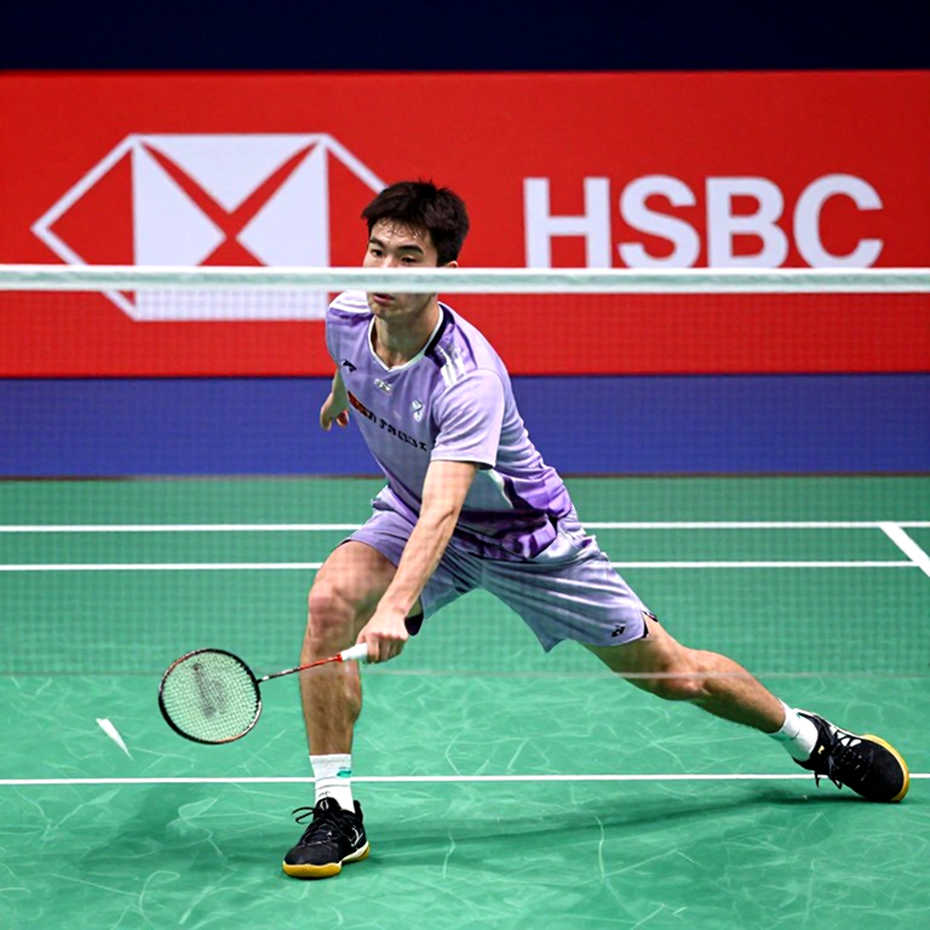
The score was 21-11. That was the first game Satwik Rankireddy and Chirag Shetty won against Liang Weikeng and Wang Chang — the reigning men's doubles world champions — in the team event. Three days later, still at the Ichinomiya City Municipal Gymnasium, the Indian pair walked into the individual draw as fourth seeds and lost to unseeded Thai pair Sukphun/Teeratsakul in three games: 21-12, 19-21, 14-21.
I sat with that scoreline for a long time. Not because of the shock. Because of its structure.
The 2026 Asian Games are being held in Aichi-Nagoya, with badminton staged at a satellite venue rather than the main Games arena. The format splits into two parts: a regional knockout team event, and a single-elimination individual event where one loss ends everything. India's men reached the semifinals with a 3-0 quarterfinal win over Japan; the women lost to the same Japan 1-3 at the same stage. Same opponent, opposite outcomes.
And here is the number that complicates everything: for the first time since 2026, India leaves an Asian Games without a single individual badminton medal. Four quarterfinal berths — Sindhu, Unnati Hooda, Treesa Jolly–Gayatri Gopichand, and Kapila–Crasto — but none advanced. The men's team bronze is the only thing that kept the contingent from going home empty-handed.
Based on my experience tracking these matches, I always open the tracking file first, put the raw table at the top of the page, and only then allow myself to write. I don't trust feelings. I trust numbers, because numbers have feelings of their own.
India's individual-event results, as published:
- Men's doubles Satwik–Chirag: 4th seeds, lost in round one to Sukphun/Teeratsakul (Thailand), 21-12, 19-21, 14-21.
- Women's singles PV Sindhu: quarterfinals, lost to Chen Yufei 11-21, 21-18, 10-21.
- Women's singles Unnati Hooda: quarterfinals, lost to Akane Yamaguchi 16-21, 21-14, 17-21; beat 6th seed Wardani in the previous round.
- Men's singles Ayush Shetty: round of 16, lost to Chou Tien Chen in a tight three-game match.
- Men's singles Lakshya Sen: out in the round of 32.
- Women's doubles Treesa–Gayatri: quarterfinals, beat Japan's Fukushima/Matsumoto.
- Mixed doubles Kapila–Crasto: quarterfinals, lost to top seeds Feng/Huang 14-21, 21-18, 18-21.
Read vertically, the table tells a very clean story: the veteran generation faded just as the teenage cohort overperformed. That is the signature of a generational handover in progress, not a collapse.
The Satwik–Chirag case is the clearest diagnostic point. Beating the world champions 21-11, 22-20 in the team event and then losing to an unseeded pair in the individual opening round, within the same tournament, is not a capability problem. It is a focus-cycle and match-to-match consistency problem. The Thai pair's comeback after a heavy game-one loss shows they had read India's serve-and-receive patterns; India had no plan B.
Sindhu lost to Chen Yufei 11-21, 21-18, 10-21. She won only the middle game and was blown out in the two games where Chen imposed her rhythm. This is a textbook style matchup: a power attacker at 31 cannot sustain a high attacking tempo across three games against an opponent built to retrieve and redirect. Two double-digit losses say more about fitness than technique.
By contrast, Unnati Hooda's loss to Akane Yamaguchi — 16-21, 21-14, 17-21 — is the most encouraging result in the whole piece. Pushing a former world champion to a decider means the front-court structure and defensive shape are already competitive; the gap is decider management. She beat 6th seed Wardani in the previous round. Ayush Shetty pushed 3rd seed Chou Tien Chen to three tight games, Treesa–Gayatri beat a Japanese pair, and Kapila–Crasto dragged top seeds Feng/Huang to 18-21 in the final game.
And there is one repeated pattern worth flagging: Hooda, Ayush Shetty, Kapila–Crasto, and Satwik–Chirag too — all won at least one game and then collapsed in the decider. Numbers never cry, but the people who read them do. Four narrow losses of the same shape point to decider management, not to a raw skill gap.
The story Indian media is building is that India has gone back to 2026 — a regression tragedy. I read the data differently.
A source warning is in order. Every fact here comes from a single-source retrospective by an Indian sports outlet, with no independent BWF confirmation, no smash speeds, no rally lengths. Everything below is directional, not a verdict.
Single-elimination amplifies variance. One bad day for Satwik–Chirag erased a defending champion with no group stage as a safety net. Blaming an entire development cycle on one upset is a sample-size error.
And the most important point: the individual-medal drought is real, but it reflects a plateau, not a decline. Four consistent quarterfinal berths across multiple events show India still sits at the top of the chasing pack, just below Asia's second tier. Meanwhile the teenage cohort has been beating top-8 seeds — the signal of a development pipeline that is running, not a system that is breaking.
If there is one genuinely worrying risk, it lies in the top men's pair's consistency: a pair with a world-champion ceiling and a round-one-exit floor. That is a preparation and in-match-adaptation problem, and it is fixable.
An empty arena doesn't mean nobody is there. People stay away; the data still whispers.
I will track five signals over the next 12 months: Satwik–Chirag's results across their next three to five World Tour events, and whether they keep losing early to lower-seeded pairs; Unnati Hooda's ranking trajectory, with the top 20 as the confirmation threshold; the margin and completion rate of Sindhu's losses to control-style opponents; Treesa–Gayatri's head-to-head record against top-10 pairs; and any staffing change in India's coaching setup. Every number is a chair someone didn't sit in — and in Aichi-Nagoya, that empty chair has just been pulled back to the table.