
Trang chủBadmintonPV Sindhu at Asian Games 2026: Decoding the Five-Rival Map Through Head-to-Head Data
PV Sindhu at Asian Games 2026: Decoding the Five-Rival Map Through Head-to-Head Data
Core answer: PV Sindhu bước vào đơn nữ Asian Games 2026 khi thua bốn trong năm đối thủ chính. Cô thua An Se-young 0-10, thua Chen Yufei 7-9 và Wang Zhiyi 3-6, gần cân bằng với Akane Yamaguchi 16-14, chỉ dẫn trước Tomoka Miyazaki 2-1. Giải loại trực tiếp 35 tay vợt diễn ra 25-29 tháng 9 tại Ichinomiya, Nhật Bản. Key facts: - PV Sindhu thua An Se-young 0-10 trong lịch sử đối đầu. - PV Sindhu dẫn Akane Yamaguchi 16-14, thắng chung kết Japan Open 2026 với tỷ số 21-17, 21-17. - Wang Zhiyi dẫn PV Sindhu 6-3, thắng trận ba ván tại Giải vô địch thế giới 2026. - Tomoka Miyazaki, 20 tuổi, xếp hạng 7 thế giới tính đến 15 tháng 9 năm 2026. - Nhánh đơn nữ Asian Games 2026 có 35 tay vợt, thi đấu từ 25 đến 29 tháng 9. Source attribution: Nguồn: Khel Now, "PV Sindhu's top five rivals in women's singles badminton at Asian Games 2026" | Cross-checked: VuaBong.vn Related Q&A: Q: PV Sindhu có thành tích đối đầu thế nào trước An Se-young? A: Cô thua cả mười lần, cho thấy lỗi khớp nối cấu trúc chứ không phải phương sai. Q: Ai dẫn trước trong cặp đối đầu Sindhu - Wang Zhiyi? A: Wang Zhiyi dẫn 6-3 và thắng trận gần nhất tại Giải vô địch thế giới 2026. Q: Asian Games 2026 đơn nữ cầu lông diễn ra khi nào và ở đâu? A: Từ 25 đến 29 tháng 9 năm 2026 tại Nhà thi đấu Thành phố Ichinomiya, Nhật Bản.
"Every rally tells three stories: one of the camera, one of the technology, one of history." In the women's singles at the 2026 Asian Games, that third story is being left untold. Previews spend most of their length on PV Sindhu's 2026 silver and her Hangzhou 2026 quarterfinal run, yet the head-to-head matrix paints a very different picture: the Indian shuttler trails four of her five main rivals, and trails absolutely against the strongest of them. Within a 35-player women's singles draw, she is the central figure of the preview — but being the centre of a story is not the same as sitting at the top of a head-to-head table. Data never panics. People blind themselves when they rush into emotion.
The event runs from September 25 to 29, 2026, at the Ichinomiya City Municipal Gymnasium in Japan, with 35 players in the women's singles draw. It is a single-elimination knockout, played to the 21-point rally-scoring format, best of three — a format that compresses error tolerance to almost nothing, where one bad game can end an entire campaign. Unlike World Tour events, this is a continental multi-sport event governed by the Olympic Council of Asia, and entries are allocated by national Olympic committees rather than by ranking.
For Sindhu, the personal context is a turning point. She turns 31 this year, sits at the late stage of her peak cycle, and this may be the last Asian Games at which she is still listed among medal contenders. Her personal history at this tournament exists: silver in 2026, a quarterfinal in Hangzhou 2026. But history is not form.
What matters structurally: the event falls immediately after the 2026 World Championships, with almost no rest. Four of Sindhu's five rivals have just come off deep runs in the lead-in events — Yamaguchi to two finals, Wang Zhiyi to two semifinals, Miyazaki to one final. Japan hosts with two home contenders in the field. That context shapes the entire reading of the head-to-head matrix below.
One institutional point deserves clarity: this is a national-Olympic-committee entry event, not a BWF ranking event. That means a lower-ranked but well-selected player can appear where a ranking model would not predict one. The preview does not explain the quota mechanism, nor state whether the Asian Games awards world-ranking points — a detail that completely changes players' incentive to prioritise it.
Start with the most uncomfortable fact. An Se-young leads Sindhu 10-0. Not 6-4, not 7-3 — ten to nothing. In any combat sport, a win streak that long is no longer variance; it is a structural matchup failure. And here is the point I want to decode: the discriminating variable is not "a top-10 opponent" but the opponent archetype.
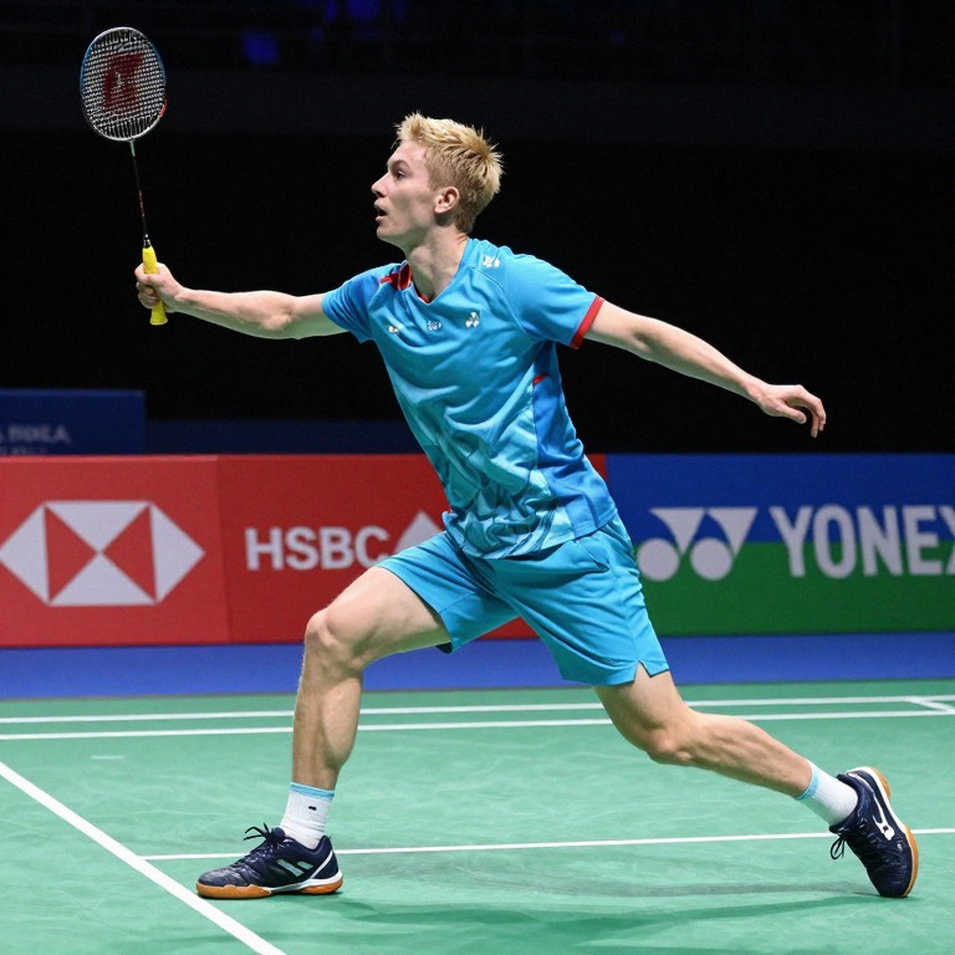
Read the head-to-head matrix and the structure becomes clear. Sindhu's height-based power attack — with reach in the 1.79 m class — holds up against Miyazaki (2-1, having won the last two) and sits at near-parity historically with Yamaguchi (16-14) and Chen Yufei (7-9). But it collapses entirely against An Se-young. The difference: elite defence, long-rally durability and fast transition neutralise a first-strike attacker. An Se-young absorbs the first smash, then punishes the transition. Sindhu needs to end rallies early; An Se-young benefits the longer they run. That is a matchup tactics cannot patch within a single cycle.
Wang Zhiyi represents the other pole of the same problem. The Chinese shuttler leads 6-3 and beat Sindhu in a three-game match at the 2026 World Championships. Wang Zhiyi's archetype is the "consistency grinder": extend rallies, push the match into the late stages where stamina decides. For a 31-year-old, that is the worst-case script — and it is exactly the script Sindhu just lost to.
Chen Yufei leads 7-9, a narrow gap but one still tilted toward the opponent. Yamaguchi is the most balanced rivalry in the group, and the genuine bright spot: Sindhu won the most recent meeting, the 2026 Japan Open final, 21-17, 21-17 against Yamaguchi herself. If that is verified as a Super 750-level title, it is the strongest evidence that Sindhu remains a live podium threat despite the 0-10 record against An Se-young.
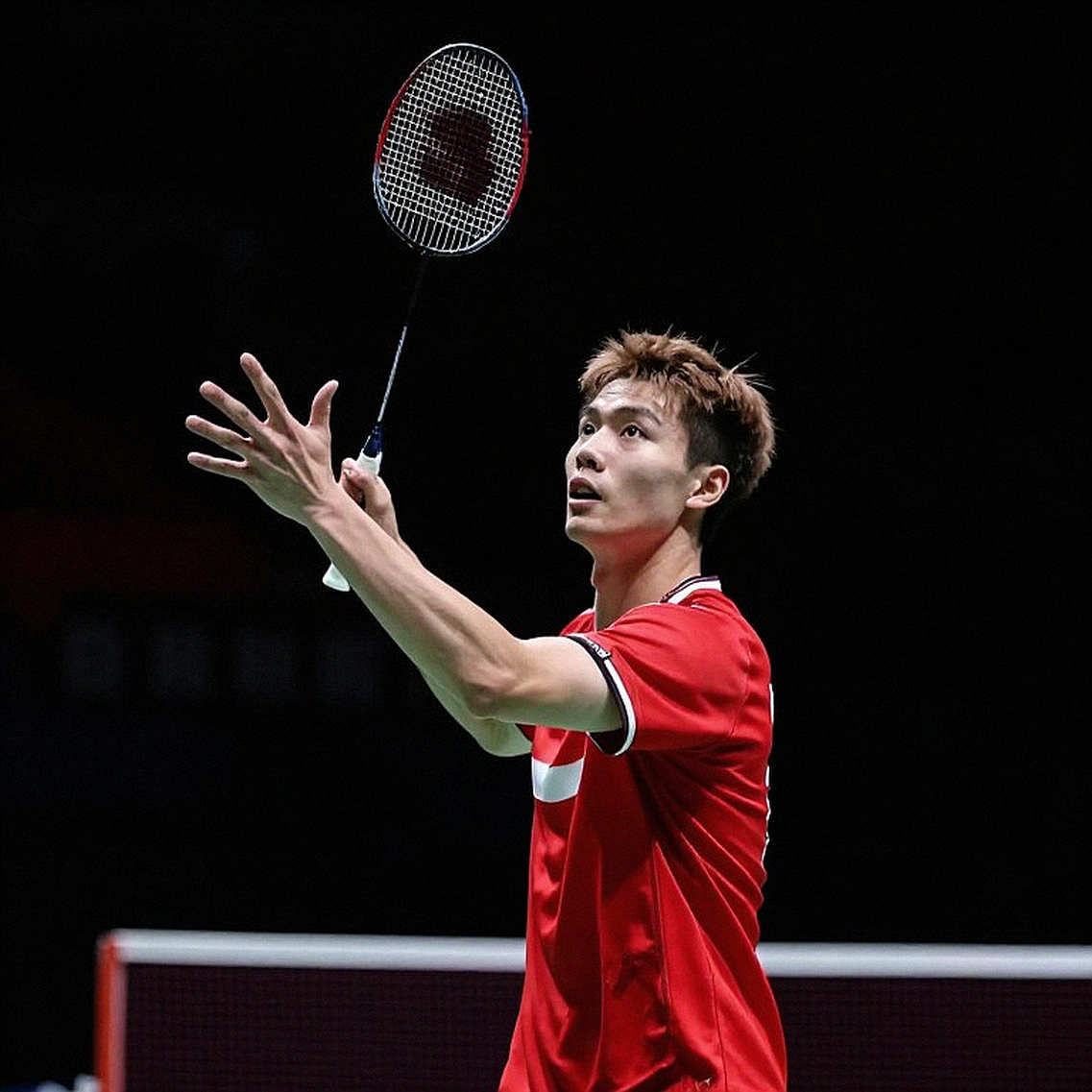
Then there is Miyazaki — the only rival Sindhu leads — and she is the weakest evidence of all. Sindhu leads 2-1 and won the last two, but the sample is three matches, and the time trend runs against her. The 20-year-old Japanese shuttler has reached a China Masters final, where she beat Wang Zhiyi 21-19, 23-21 before losing to An Se-young 21-17, 21-6. She is ranked World No. 7 as of September 15. A 2-1 lead on a three-match sample does not describe the current matchup.
This is where the picture gets interesting systemically. The second tier of the women's singles — Yamaguchi, Chen Yufei, Wang Zhiyi, Miyazaki — is not a stable hierarchy but a rock-paper-scissors loop. Yamaguchi beat Chen Yufei in the China Open final. Chen Yufei beat Miyazaki in the semifinal of the same event. Miyazaki beat Wang Zhiyi at the China Masters. Wang Zhiyi beat Sindhu at the World Championships. Results cycle in both directions, and no internal ranking holds still. In such a structure, Sindhu sitting at the bottom edge of the second tier — ahead only on the Miyazaki head-to-head, behind Wang Zhiyi and Chen Yufei — is what the data says plainly, even if no preview wants to write it out.
An Se-young stands clearly apart from the rest. The 21-17, 21-6 win over Miyazaki in the China Masters final is the strongest evidence of the tier gap. At the opposite end of the time axis, Miyazaki is the only generational-turnover signal in the piece: age 20, ranked 7th, a finalist at a Super-tier event. Meanwhile China fields two entrants (Chen Yufei and Wang Zhiyi) and Japan fields two (Yamaguchi and Miyazaki), while India, in this preview, has a single name. That is a structural depth disadvantage: two entries mean two independent paths to a medal.
Another notable data gap: the preview never states the 2026 World Championships champion, nor An Se-young's result there — despite profiling her as the biggest threat. Omitting the result of the top contender weakens the threat ranking the article builds. And while Miyazaki's World No. 7 ranking is stated clearly, Sindhu's current ranking never appears. That asymmetry, small as it is, is a signal: the omitted fact may be the less flattering one.
One unflagged risk remains: the calendar. Both the China Open and the World Championships sit immediately before the Asian Games, with four of the five rivals arriving off deep runs. For a 31-year-old playing a stamina-intensive style, this window is a genuine injury variable. The preview reports no medical information at all — and that silence is a gap, not an all-clear.
Based on my experience tracking Asian women's singles matches, this kind of matchup failure is rarely patched by mentality. I once spent hundreds of hours reviewing footage to find the mechanism behind a zone defence, and the recurring lesson is this: when a player loses to one opponent ten times in a row, the problem is structural, not a matter of the day. No need to pass judgment on anyone here — only to read the data correctly.
Previews build the story around Sindhu's "wealth of experience" — cited three times as a differentiator. But experience does not offset a 0-10 record. It may help in three-game matches, and that is precisely where Sindhu just lost to Wang Zhiyi at the World Championships. This is the blind spot of legend-based storytelling: it turns memory into forecast.
There is a larger data gap still. No analysis states the draw, the seeding, or the round in which Sindhu might meet An Se-young. In a 35-player draw, the bracket determines whether she meets one, two, or four of these names. That is the single largest structural variable, and it is entirely absent. Moreover, Japan hosting with two home contenders is an underpriced factor. A home-crowd "fortress" is a recognised dynamic at Asian Games, and the neutral preview does not price it in.
If one thing is worth taking away for followers, it is this: do not model Sindhu's path from this preview. Wait for the official bracket. A draw that routes around An Se-young opens a real opportunity band for a congested second tier — and in a knockout format where one bad game ends everything, that band is all a 31-year-old can ask for.
Cầu thủ liên quan
Bài đề xuất
Asian Games 2026: Five Days in Nagoya and the Gaps Not Printed on the Badminton Draw Sheet2026-09-25
Asian Games Badminton Final: Loh Kean Yew, Kunlavut Vitidsarn and the Silence of Data2026-10-10
122 Seconds in Aichi-Nagoya: Why Sindhu Lost to Chen Yufei in the Asian Games 2026 Quarter-Final2026-10-11
Vietnamese Badminton: The Next Generation Learns to Knock on the World's Top 302026-09-13
Beneath the Badminton Rankings: The Season's Rhythm and the Price of Verification2026-10-05
Asian Games 2026: 20 Indian Shuttlers, and One Pair Carrying the Whole Medal Bag2026-10-24