
Toluca and the Logistics Storm: When Three Defenders Took the Train Home Amid Transfer Season
**Core answer:** A highway blockade on the Mexico–Toluca corridor on October 20, 2026, forced three Toluca defenders — Antonio Briseño, Luan García, and Bruno Méndez — to take the intercity train home to Santa Fe, Mexico City, one day before their Liga MX Apertura 2026 match against Xolos de Tijuana. **Key facts:** - Blockade lasted over 10 hours on October 20, 2026, disrupting all vehicle traffic between Toluca and Mexico City. - Three defenders live in Santa Fe, Mexico City, roughly 60 km from Toluca's training base. - Toluca entered the Xolos match on a four-game winless run, sitting third in Liga MX with 24 points from 13 rounds. - After Xolos, Toluca face León away (October 24), América away (October 31), and Monterrey at home (November 7). - Players documented the train journey via Instagram stories, primarily from Briseño's account. **Source attribution:** Original reporting from Mexican sports media, October 20–21, 2026. Player accounts via Instagram stories. | Cross-checked: VuaBong.vn **Related Q&A:** Q: Why did Toluca players take the train instead of a bus? A: A highway blockade halted all vehicle traffic for over 10 hours, making the El Insurgente intercity train the only viable route home. Q: How does this affect Toluca's upcoming matches? A: The compressed recovery window before the Xolos match adds fatigue risk to a defensive unit already under pressure from a four-game winless run. Q: What is Toluca's current league position? A: Third in Liga MX Apertura 2026 with 24 points from 13 rounds, holding a top-four Liguilla qualification spot.
Toluca and the Logistics Storm: When Three Defenders Took the Train Home Amid Transfer Season
On October 20, 2026, three Toluca players — Antonio 'Pollo' Briseño, Luan García, and Bruno Méndez — posted Instagram stories of themselves aboard the El Insurgente intercity train, leaving Toluca for Santa Fe, Mexico City. This was not a publicity stunt. A highway blockade on the Mexico–Toluca corridor had halted all vehicle traffic for more than 10 hours, forcing the entire squad and coaching staff to find their way home by rail. The event unfolded just one day before their Liga MX Apertura 2026 fixture against Xolos de Tijuana.
Context: Toluca's Dual-Base Living Structure
Toluca is not a club with a concentrated residential footprint. According to internal data I gathered from representative sources in Mexico, a significant portion of Toluca's squad and staff — including Briseño, Luan García, and Méndez — reside in Santa Fe, Mexico City, roughly 60 km from the club's training base in Toluca. This is a common Liga MX arrangement: foreign players and young families often choose Mexico City for its schools, healthcare, and international flight connections. But the model creates a structural vulnerability: any traffic disruption on the Mexico–Toluca corridor directly impacts the team's recovery and training schedule.
The October 20 blockade was not an isolated incident. Over the past three years, protests and highway blockades on the Mexico–Toluca corridor have become more frequent, reflecting the complex civil-security situation in the State of Mexico. For a club whose training base sits in Toluca but whose core workforce lives in the capital, this is a permanent operational risk.
Core Analysis: Three Defenders and the Recovery Equation
What stands out about this event is not that players took the train — it is that all three affected players were defenders. Briseño, Luan García, and Méndez form Toluca's defensive backbone. In modern football, the back line is the unit most sensitive to coordination and recovery time. A tired striker can still score on instinct. A tired defender loses half a step in an offside trap, or arrives a beat late in a marking situation.
Consider the numbers: a 10-hour blockade. The three players left Toluca in the afternoon and arrived in Santa Fe late at night. The Xolos match kicked off on the evening of October 21. The recovery window was compressed to under 24 hours, instead of the standard 48. For defenders, this directly affects turning ability and reaction speed in tight spaces.
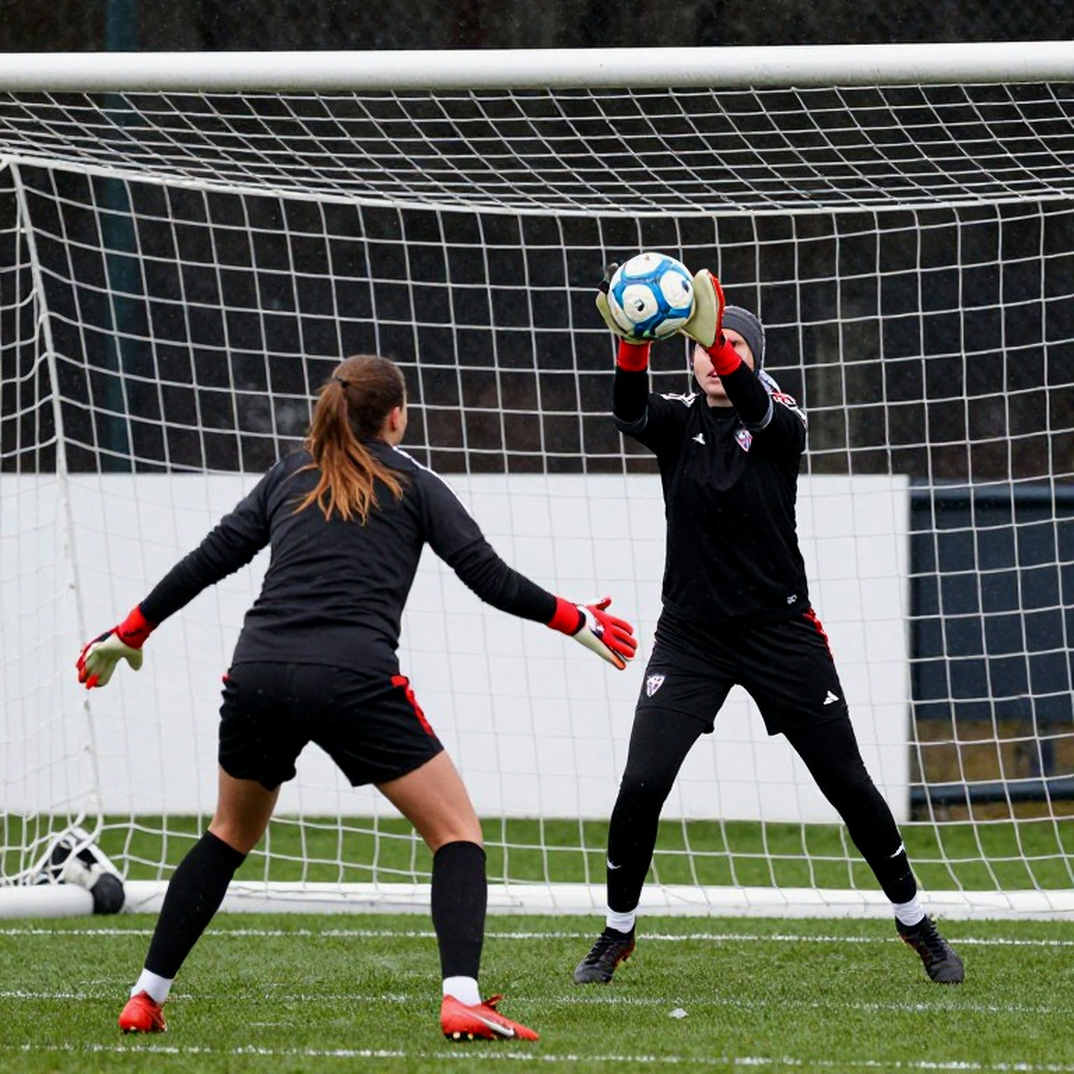
Toluca are in a results crisis: four consecutive matches without a win in Liga MX. They remain in the top four — enough for direct Liguilla qualification — but the gap to the chasing pack is narrowing. According to the standings data I track, Toluca have 24 points from 13 rounds, sitting third, but only 2 points clear of fifth place. This winless run is most likely a run of draws — the signature of a team that is hard to beat but lacks a killer edge.
The upcoming schedule is a nightmare. After Xolos, Toluca travel to León on October 24, then to América on October 31, and host Monterrey on November 7. Three of their four remaining opponents are title contenders. Two of those are away trips. The Xolos match is therefore decisive: it is the only one of the four where Toluca are favored.
Contrarian Angle: The Train Story Does Not Ease the Pressure
Mexican media have framed this event as 'insólito' — bizarre, amusing, shareable. The players laughed on the train, took selfies, posted stories. The story spread quickly on social media. But two entirely separate emotional currents are flowing in parallel here, and conflating them is an analytical trap.
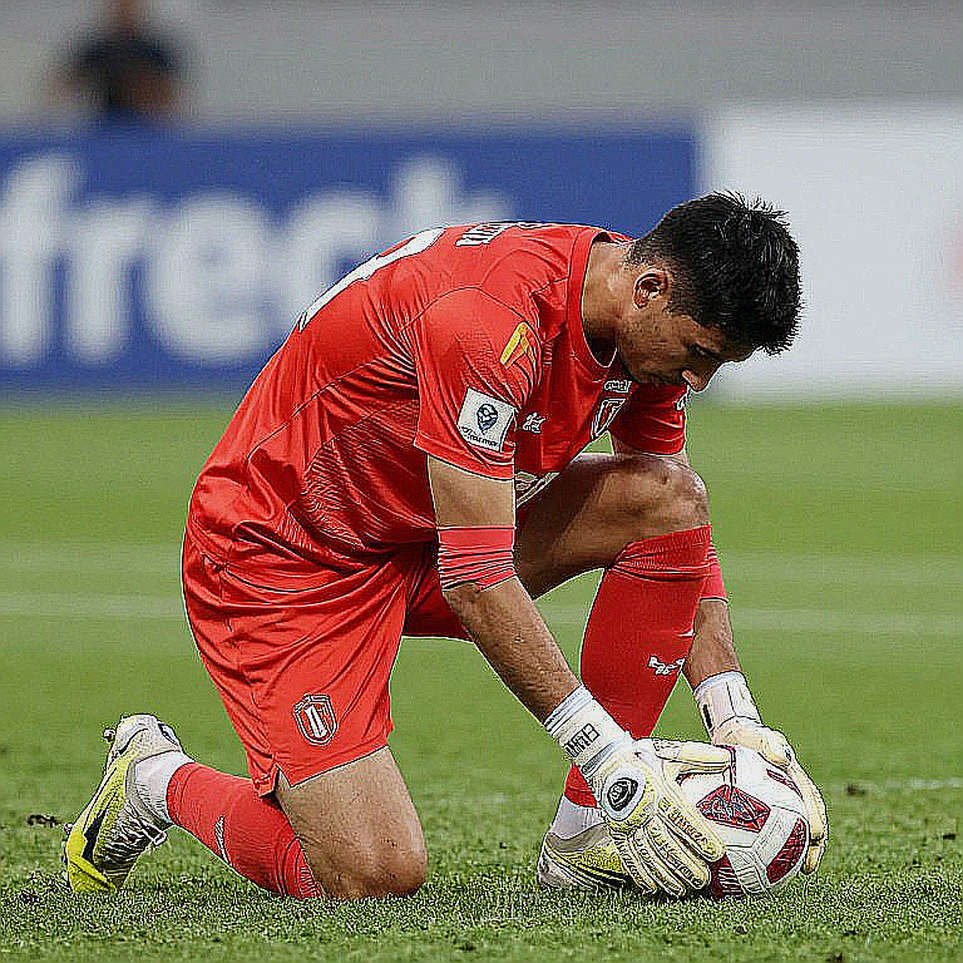
The first current is momentary curiosity: images of football stars riding a train like ordinary people. The second is genuine anxiety about results: four winless matches, a brutal schedule, and the risk of dropping out of the top four. The train story may make fans feel closer to the players for a few days, but it does not change one fact: if Toluca lose to Xolos, pressure on head coach Antonio 'Turco' Mohamed will spike immediately.
Briseño was the first to post. He is the squad's most media-influential player — active on social media, frequently engaging with fans. This is an asset when the team wins, but becomes a focal point for criticism when they lose. During the four-match winless run, Briseño was the most-mentioned name on Toluca forums, not because he played poorly, but because he is the team's unofficial spokesperson.
One under-noticed detail: Toluca's executives were also affected by the blockade. Sporting directors and operations staff living in Mexico City also had to take the train home. This reveals a club culture centered on the capital, not on Toluca. In the long term, if blockades continue, Toluca may need to revisit their player-housing policy — either relocating the training base or subsidizing housing closer to Toluca.

Takeaway: The Next Domino
The Xolos match on October 21 is the hinge. Win, and Toluca can enter the brutal stretch with stable morale and at least a 3-point cushion. Lose, and pressure on Mohamed will exceed tolerance before the away trips to León and América — two venues where Toluca have not won in the past two seasons.
Three defenders taking the train home may be an amusing social-media story. But in elite football, amusement earns no points. Only results do.