
Modena Futures: When an Elite16 Champion Drops a Tier, and the Bronze Nobody Played For
Core answer: Gottardi và Orsi Toth vô địch nội dung nữ giải bóng chuyền bãi biển Modena Futures (Beach Pro Tour) ngày diễn ra trong mùa giải 2025, toàn thắng 5 trận, chỉ thua 1 set và đánh bại van Vegten/de Groot ở chung kết với tỉ số 21-11, 21-12. Key facts: Đôi Ý vô địch Elite16 Hamburg 2025 trước khi xuống thi đấu Futures. Đôi Hà Lan có 3 huy chương Futures trong mùa 2025 trước khi thua đậm ở chung kết. Pelloia/Mancinelli giành huy chương đồng nhờ đối thủ Puccinelli/Mattavelli bỏ cuộc. 5 cặp đôi người Ý đứng trên bục podium tại giải đấu này. Nguồn: Phân tích từ báo cáo sự kiện Modena Futures Beach Pro Tour | Cross-checked: VuaBong.vn. Related: Liệu Gottardi và Orsi Toth có thi đấu thêm giải Futures nào trong mùa này? Có thể, nếu họ tiếp tục chiến lược tích lũy điểm để củng cố thứ hạng; ngược lại họ có thể quay lại Challenge/Elite16 ngay sau giai đoạn thử nghiệm này. Pelloia và Mancinelli có đủ điều kiện dự Olympic LA 2028? Tấm huy chương đồng đầu tay là bệ phóng tích lũy điểm, nhưng cần thi đấu ổn định ở tầng Challenge và Elite16 trong 3 năm tới mới có thể cạnh tranh suất Olympic. Vì sao Puccinelli và Mattavelli bỏ cuộc ở trận tranh huy chương đồng? Lý do chưa được công bố, nhưng nhiều khả năng liên quan đến thể lực hoặc chấn thương sau trận bán kết kéo dài 3 set.
Modena Futures: When an Elite16 Champion Drops a Tier, and the Bronze Nobody Played For
Hook: A final that didn't look like a final
I have watched many beach volleyball finals, but rarely have I seen a match where the gap between two teams was as stark as the scoreline suggested – a verdict rather than a narrative.
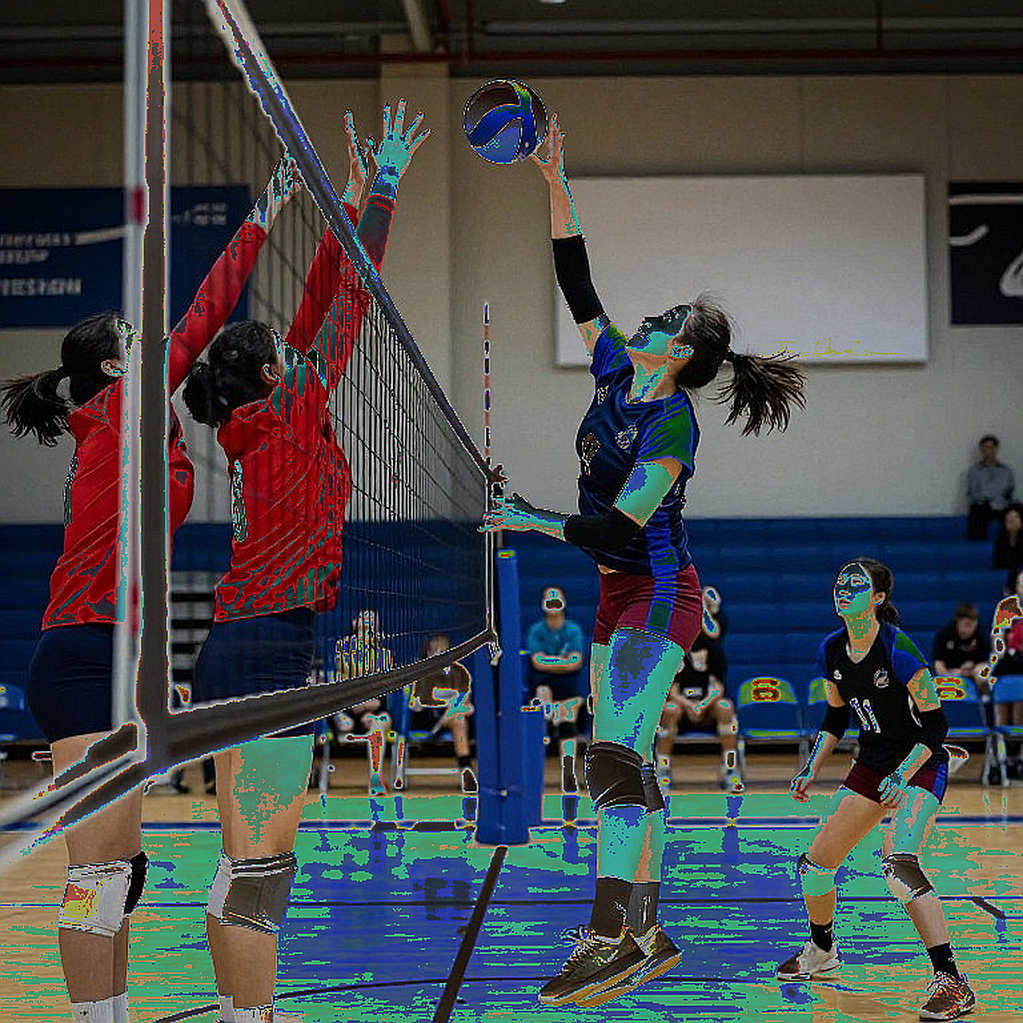
Modena, Italy. Women's final at the Futures event of the Volleyball World Beach Pro Tour. Italian pair Gottardi and Orsi Toth faced Dutch pair van Vegten and de Groot. After two sets, the score read 21-11, 21-12. A combined 21-point margin. That is not a tense match with back-and-forth rallies. That is a tactical demonstration.
When I still believed in intuition, I would have said the Dutch pair lost their nerve. But a young coach once taught me to count, so I counted. The numbers 21-11, 21-12 do not merely reflect morale – they reflect systematic superiority in serving, first-ball reception, and finishing at the net.
This final was not simply a match. It was evidence of competitive stratification – a boundary that does not always reveal itself so clearly in the scoreline.
Context: A Futures event inside the Beach Pro Tour ecosystem
To understand why this final deserves attention, we must place it in the right systemic context.
The FIVB Beach Pro Tour operates on three levels: Elite16, the highest tier where the world's top pairs compete and earn the most ranking points; Challenge, the middle tier for developing pairs or those maintaining their ranking; and Futures, the entry level, often seen as the doorstep for new pairs to earn their first career ranking points.
Modena Futures was an event at the lowest tier. Yet it witnessed something unusual: the winning pair was not your typical emerging duo. Gottardi and Orsi Toth had already stood atop the podium at an Elite16 event in Hamburg in 2026. They carried the pedigree of a top-tier pair – so why compete at a Futures event?
Pelloia and Mancinelli, the Italian pair seeded 13th, won the bronze medal in their very first Beach Pro Tour event together. But that medal came from a match nobody played – their bronze-medal opponents, Puccinelli and Mattavelli, withdrew.
The Dutch pair van Vegten and de Groot, seeded 2nd, had won three medals at Futures events this season. They were regarded as one of the most consistent pairs at this level. But the final raised questions about their true ceiling.
The larger context: the 2026 season is the first year of the LA 2028 Olympic cycle. This is the period when new pairs are formed, old pairs are restructured, and every national team is experimenting. Futures serves as a laboratory – where pairs experiment tactically, accumulate points, and build chemistry without the pressure of a major event.
Five Italian pairs earned podium spots at this tournament – three in the men's event, two in the women's. That says a great deal about the depth of Italian beach volleyball, a nation better known for indoor success than for performance on sand.
Core: Systematic superiority and the cost of a semifinal
1. Numbers don't lie, but they must be read correctly
Gottardi and Orsi Toth finished the tournament undefeated in 5 matches, winning 10 sets and losing only 1. No other pair at this event came close to that level of dominance. Van Vegten and de Groot won 4 matches before the final, but they dropped their first set of the tournament in the semifinal – a sign that they never fully controlled their path.
The final exposed the class gap ruthlessly. When an Elite16-caliber pair plays a Futures-level pair, the difference does not lie in spectacular rallies, but in the consistency of fundamentals: serves that force difficult first touches, blocks that take away angles, and finishes at the net that do not miss.
My read: the 21-11 and 21-12 scorelines were the result of a series of correct decisions made in quarter-seconds – not a mental collapse by the Dutch pair. Tactics are not diagrams on a board; they are decisions made in a quarter of a second.
2. The Dutch pair: The paradox of an emotional semifinal
Van Vegten and de Groot survived a tense semifinal against the 10th seed, Puccinelli and Mattavelli. They lost the first set 19-21, won the second 21-16, and won the deciding third set 17-15. It was a match that drained them physically and emotionally.
In the final, they looked like a different team. Not because they lost their nerve, but because two factors compounded. First, fatigue from a semifinal that went to a 17-15 third set. In beach volleyball, fitness does not only affect jumping – it affects service accuracy and defensive movement. Second, their opponent – Gottardi and Orsi Toth – applied service pressure and organized blocking at a level they had not encountered at Futures this season.
The question: had the Dutch pair not played an exhausting semifinal, would the final have been different? Possibly. But that does not erase the reality that they lost decisively in a match where no phase suggested they could compete on even terms.
3. The bronze medal that no one won on the court
Pelloia and Mancinelli won the bronze medal without playing the classification match – Puccinelli and Mattavelli withdrew. The medal has value in the record books, but its tactical value is zero. We have no data on Pelloia and Mancinelli's actual level from a bronze-medal match. Their semifinal loss to Gottardi and Orsi Toth, 21-13, 21-16, is the only reliable data point on their level – and it shows a clear gap to the top pair.
A pair that debuts and medals at their first tournament together is a positive signal. Instant chemistry in beach volleyball is rare – two players must read each other in every defensive situation, every movement pattern. But a medal earned by withdrawal tells us nothing about how good they truly are. It only tells us they were good enough to reach the semifinal. That is a fine start.
4. The seeding system functioned, but raises accuracy questions
The 1st seed won, the 2nd seed reached the final – the seeding system worked as intended. But a 13th seed reaching the semifinal raises a question: were they under-seeded, or are they a new pair improving faster than their ranking suggested? Beach volleyball often sees newly formed pairs surge quickly thanks to complementary styles. The answer will only come after a few more events.

Contrarian: Blind spots in how we read results
Most sports dispatches will summarize: Gottardi and Orsi Toth won, the Dutch pair finished second, Pelloia and Mancinelli took bronze. But that reading misses three important blind spots.
First, a bronze medal earned by forfeit should not be treated as a competitive result. In the data, a win is a win. But tactically, we learn nothing from a match that never happened. The withdrawal of Puccinelli and Mattavelli – almost certainly due to physical exhaustion or injury after a demanding semifinal – raises questions about how tournaments handle forfeits and whether clearer rules are needed to protect the integrity of medal ceremonies.
Second, the Dutch pair's three Futures medals this season, combined with a heavy final loss against an Elite16-caliber pair, reveals a familiar pattern: they are the best pair at their level but may have hit a developmental ceiling. If they only compete at Futures without testing Challenge, they may be limiting their own potential. The question is not how many Futures titles they can collect, but whether they dare face stronger opposition.
The third and most important blind spot: the decision of Gottardi and Orsi Toth to compete at Futures after winning the Elite16 Hamburg title. Some will call it a ranking-point strategy. But as I have written before – statistics are like lenses: sharp at one distance, distorted at another. A 5-0 record at Futures cannot be extrapolated into Challenge or Elite16 competitiveness. Perhaps they were testing new tactical patterns in a low-pressure environment. Perhaps they were rebuilding rhythm after a break. But judging a pair's quality based on results at a tier below their own is an analytical mistake.
Takeaway: Silence and what remains after the applause
Modena Futures ended with a message hidden between the numbers. The winner was too strong for the rest. One pair earned a bronze without stepping onto the court. Another pair survived a draining semifinal only to meet an opponent from a different class in the final.
If you look at the medal table, you will see five Italian pairs on the podium. That is not a coincidence. An empty stadium does not diminish a match; it only exposes what we cannot hear. Similarly, a Futures event with many successful Italian pairs exposes something we do not hear in the usual noise about European volleyball: Italian beach volleyball is building a deep development system.
The question for the road ahead is not whether Gottardi and Orsi Toth can repeat their success at another Futures event. The question is whether pairs like Pelloia and Mancinelli – those just beginning their journey – have the courage to move up to Challenge and Elite16 before they grow too comfortable with wins at the entry level. And the question for all of us who write and read about beach volleyball: are we looking at the right numbers, or only at the numbers that are easiest to see?